• BCSA Website
  • Roger Grund

South Australian
Butterflies & Moths

  • Home
  • Overview
    • Introduction
      • Key for Identifying SA Skippers
      • Key for Identifying SA Butterflies
    • Biology
    • Stories
      • Mistletoe
      • Caper White Migration
    • Butterfly Gardening
      • Common Urban Butterflies
      • Rarer Urban Butterflies
    • About Author
    • About Designer
  • Data Sheets
  • Conservation
    • Habitat Types
    • Habitat Restoration
      • Checklist
      • Details
    • Conservation Status
      • Checklist
      • Details
  • Food Plants
  • SA Regions
    • Adelaide Plains
    • Far North Pastoral
    • Flinders and Olary
    • Gawler Nullarbor
    • Kangaroo Island
    • Murray
    • North Mt. Lofty
    • South Mt. Lofty
    • Northern Eyre Peninsula
    • Southern Eyre Peninsula
    • Lower Southeast
    • Upper Southeast
    • Yorke
  • Sun-moths
    • South Australian Moths
    • About SA Sun-moths
    • Different Species
      • Nullarbor Sun Moth
      • Small Orange Spotted Sun Moth
      • Flinders Ranges Sun Moth
      • Kangaroo Island Sun Moth
      • Reddish-orange Sun Moth
      • Larissa's Sun Moth
      • Orange Sun Moth
      • Orange Spotted Sun Moth
      • Golden Sun Moth
      • Pale Sun Moth
      • Cryptic Sun Moth

Gallery

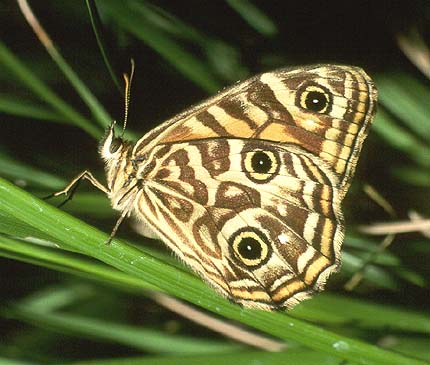
Catalog Ringed Xenica Gallery

Adults

acantha_ad_f.jpg (40.2 KB)
acantha_ad_f2.jpg (36.9 KB)

Females

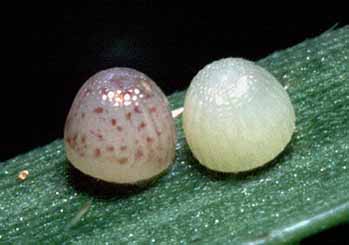
Eggs

acantha_egg.jpg (13.6 KB)
acantha_egg2.jpg (12.6 KB)

The white egg is newly laid, which will become purple speckled if it is fertile.

acantha_egg_hatching.jpg (15.0 KB)

Egg about to hatch

acantha_1st_instar_new.jpg (18.0 KB)

Newly emerged larva after eating the empty egg shell (on left)

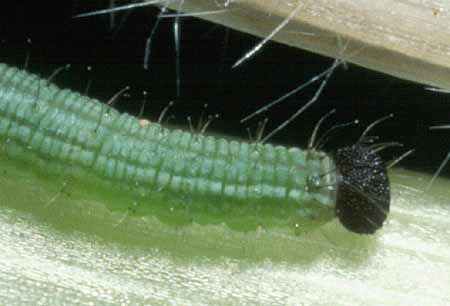
Larvae

acantha_1st_instar_early.jpg (22.7 KB)

Newly emerged from egg

acantha_1st_instar_late.jpg (14.2 KB)

Larva has eaten green grass

First instar larva

acantha_1st_instar_late2.jpg (16.7 KB)

Late first instar larva showing small knobs at the ends of the hairs

acantha_2nd_instar.jpg (17.9 KB)
acantha_2nd_instar2.jpg (10.7 KB)

Second instar larva

acantha_3nd_instar.jpg (10.0 KB)
acantha_3nd_instar2.jpg (7.80 KB)

Third instar larva

acantha_4th_instar.jpg (10.1 KB)
acantha_4th_instar2.jpg (9.32 KB)

Fourth instar larva

acantha_5th_instar_green.jpg (18.1 KB)
acantha_5th_instar_green2.jpg (15.6 KB)

Fifth instar larva,
green colour form

acantha_5th_instar_brown.jpg (15.1 KB)

Fifth instar larva, brown colour form

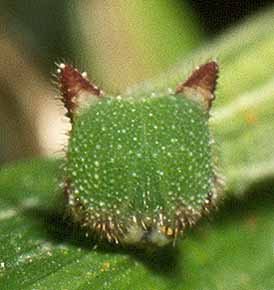
Larvae Heads

acantha_1stinstar_head.jpg (9.31 KB)

Larva head of first instar

acantha_2ndinstar_head.jpg (7.20 KB)

Larva head of second instar

acantha_3rdinstar_head.jpg (11.3 KB)

Larva head of third instar

acantha_4thinstar_head.jpg (9.34 KB)

Larva head of fourth instar

acantha_5th_instar_brown_head.jpg (14.2 KB)

Larva head of fifth instar, brown colour form

acantha_5th_instar_green_head.jpg (14.8 KB)

Larva head of fifth instar, green colour form

acantha_5th_instar_green_head2.jpg (14.1 KB)

Larva head of fifth instar, green colour form

Pupae

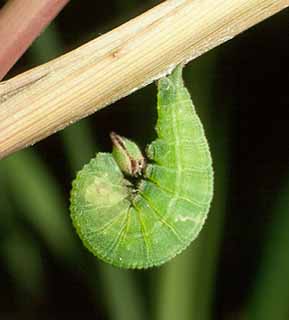
acantha_prepupa_green.jpg (13.2 KB)

Prepupa

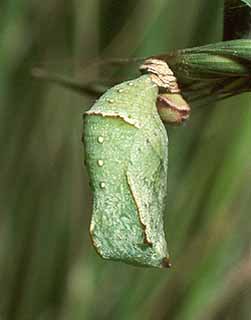
acantha_pupa_green.jpg (10.6 KB)
acantha_pupa_green2.jpg (11.2 KB)
acantha_pupa_green3.jpg (11.8 KB)

Pupa, green colour form

acantha_pupa_brown.jpg (15.0 KB)
acantha_pupa_brown2.jpg (14.2 KB)

Green colour form pupa turning brown as the butterfly develops
within the pupal case.

Pupa on left is three days before butterfly emergence.

Pupa on right is about 12 hours before butterfly emergence.

All photography by R. Grund unless stated otherwise.